
After a tooth extraction, wisdom teeth removal, or other dental surgery, what you eat matters just as much as following your aftercare instructions. Your mouth needs time to heal, and the wrong food choices can disrupt blood clots, irritate surgical sites, or even lead to painful complications like dry socket.
The good news? A proper post-procedure diet doesn’t have to be boring. With the right choices, you can support faster healing while still enjoying what you eat.
What to Eat in the First Few Days
For the first 24 to 48 hours after dental surgery, stick with liquids and very soft foods that require minimal chewing. Wait until local anesthesia wears off before eating anything to avoid accidentally biting your cheek, tongue, or lips while you can’t feel them properly.
Good options for the first day include:
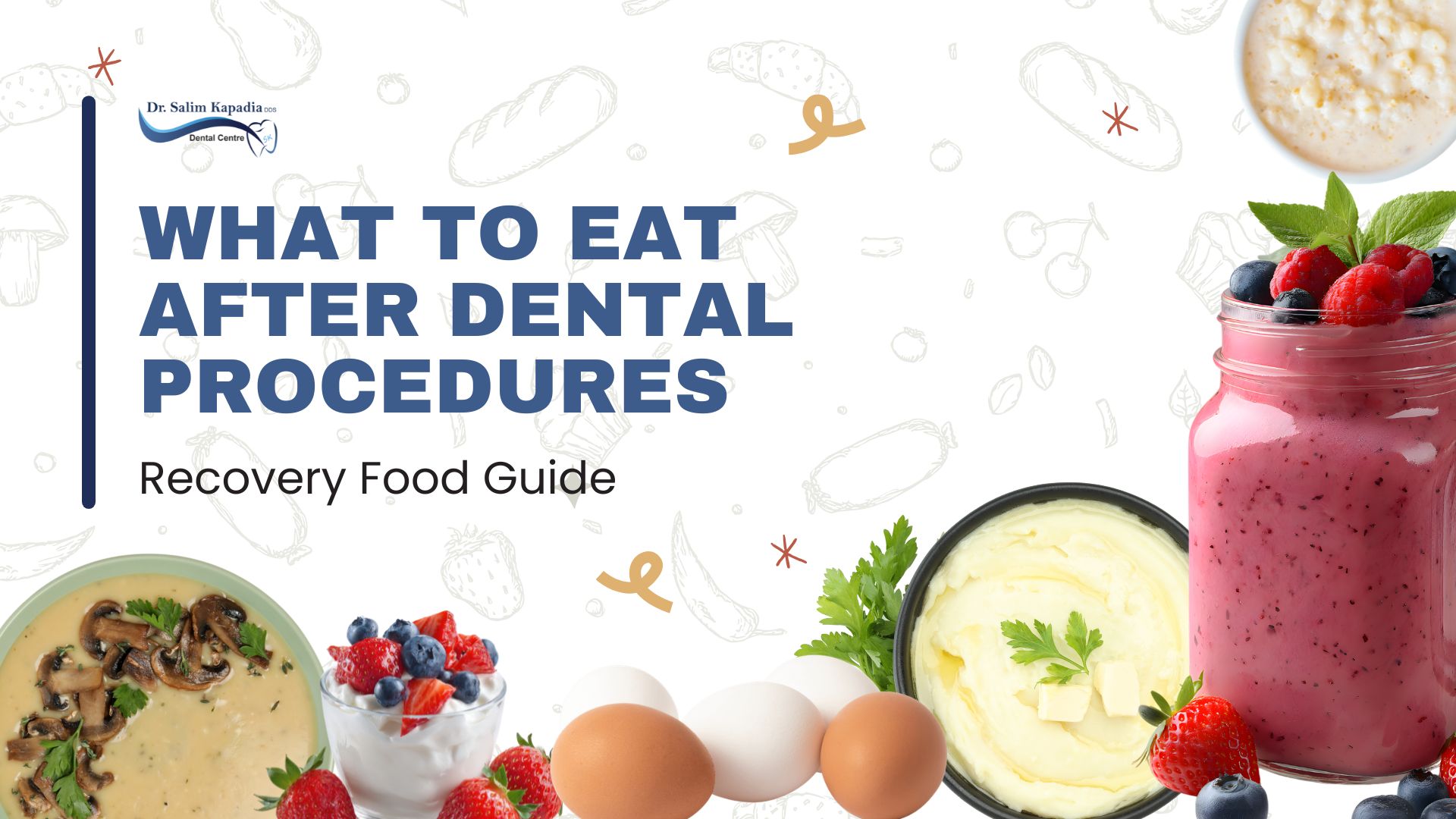
– Protein shakes and smoothies: Provide essential protein for tissue repair without chewing
– Yogurt: Soft, protein-rich, and contains probiotics that support overall health
– Applesauce: Gentle on surgical sites, easy to swallow
– Pudding and Jell-O: Comforting and require no chewing
– Mashed potatoes: Filling and can be enriched with butter or gravy for extra calories
– Scrambled eggs: Soft protein that’s easy to eat as you progress
– Cool or lukewarm soup: Broth-based or pureed soups provide hydration and nutrients
– Ice cream or sorbet: Cold foods can help reduce swelling (avoid varieties with nuts or crunchy mix-ins)
The key is choosing nutrient-rich foods rather than subsisting entirely on ice cream and Jell-O. Your body needs protein, vitamins, and minerals to heal properly. Research shows that vitamins like B12 and D, along with minerals like calcium and selenium, play important roles in oral wound healing and bone recovery.
After two to three days, you can slowly introduce more solid foods as tolerated – cooked pasta, soft rice, tender fish, or well-cooked vegetables. Let your body guide you. If something causes pain or discomfort, go back to softer options for another day or two.
Foods and Habits to Avoid
What you don’t eat is just as important as what you do eat. Certain foods and habits can disrupt healing, damage blood clots, or introduce bacteria to surgical sites.
Avoid using straws for at least one week. The suction can dislodge blood clots and lead to dry socket – a painful condition where bone and nerves become exposed. This is one of the most common preventable complications after tooth extraction.
Skip spicy and acidic foods. Salsa, hot sauce, citrus juices, tomato-based products, and vinegar can irritate healing tissues and cause stinging or burning sensations.
Stay away from hard, crunchy, or seeded foods. Chips, nuts, cookies, crackers, popcorn, and foods with small seeds can get lodged in extraction sites or scratch delicate healing tissue. These foods also require more chewing force, which can disrupt sutures.
Avoid very hot foods and beverages. Hot coffee, tea, or soup can increase blood flow to the area and potentially dislodge blood clots. Stick to lukewarm or room-temperature items for the first few days.
Don’t drink alcohol or smoke. Alcohol can interact negatively with pain medications and antibiotics, and it puts strain on your organs during healing. Smoking is especially harmful – it shrinks blood vessels that carry healing cells to surgical sites and significantly increases dry socket risk.
Supporting Healing Through Nutrition
While you’re limited to soft foods, focus on nutrient density to support your body’s natural healing processes. Protein is essential for tissue repair; think Greek yogurt, protein shakes, scrambled eggs, or blended soups with added protein powder.
Fruits like berries, bananas, and peaches (peeled and soft) provide vitamins and antioxidants. If you can tolerate them, gently cooked vegetables offer important nutrients without requiring much chewing.
Stay well-hydrated with water throughout your recovery. Proper hydration supports circulation and helps your body flush out toxins. Just remember: sip from a cup, not through a straw.
Most patients can return to their normal diet within one to two weeks, depending on the procedure and individual healing. However, complete bone healing takes several months. Continue to chew carefully on the opposite side of extraction sites until your dentist confirms healing is complete.
For post-operative care guidance or dental procedures in Scarborough, contact Dr. Salim Kapadia Dental Centre. Call (416) 321-3268 or book your appointment online at https://drsalimkapadiadental.com/online-appointments/