

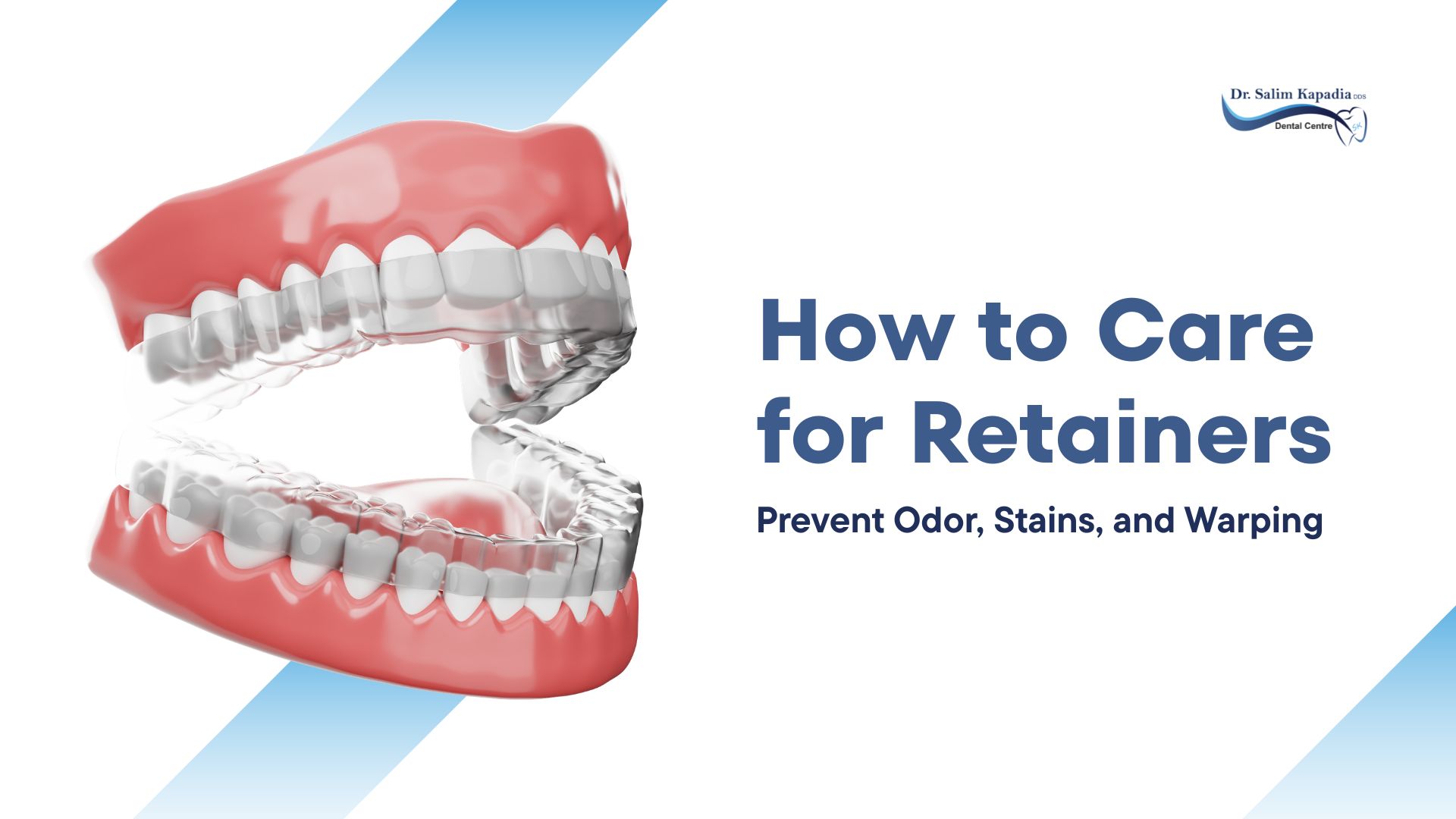
Retainers only work when they are worn consistently and kept in good condition. When retainers start to smell, look cloudy, or lose their shape, many patients assume they simply need replacing. In many cases, these problems begin with daily care habits that can be improved.
Odor, stains, and warping usually happen when plaque, bacteria, food particles, and dried saliva are allowed to build up on the appliance, or when heat changes the retainer’s shape. A few simple habits can help keep your dental retainers clean, comfortable, and effective for longer.
Clean Your Retainer Every Day
A retainer should be cleaned daily, not just rinsed. Rinsing helps remove loose debris, but it does not fully remove the film that can lead to odor and discoloration over time.
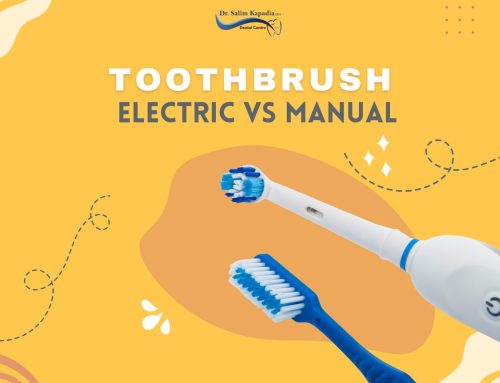
Each time you remove your retainer, rinse it with lukewarm water. Then clean it gently with a soft toothbrush and mild liquid soap or a retainer cleaner. This helps remove saliva, plaque, and surface buildup before it hardens.
Avoid using hot water. Heat can warp plastic retainers and affect how they fit. It is also best to avoid regular toothpaste on removable retainers, since many toothpastes are abrasive and can scratch the surface.
Prevent Odor Before It Starts
Retainer odor usually develops when bacteria build up on plaque, food debris, and dried saliva. If a retainer is stored without being cleaned first, that buildup has more time to create an unpleasant smell.
To reduce odor, focus on a few basic habits:
- Rinse and clean your retainer before storing it
- Brush and floss your teeth before putting it back in
- Clean the retainer case regularly
- Let the case dry between uses
A clean retainer placed onto unclean teeth can quickly collect new buildup. Keeping both your teeth and your retainer clean helps it stay fresh.
How to Reduce Stains and Buildup
Retainers can stain over time, especially when plaque is allowed to sit on the surface. Drinks such as coffee and tea can also discolor clear retainers.
The safest habit is to remove a removable retainer before eating, and usually before drinking anything other than water. This helps limit food debris, pigments, and sugars from collecting on the appliance.
If you notice buildup that does not brush off easily, do not scrub aggressively. Scratches can make it easier for plaque and stains to cling to the surface. In those cases, a dentist or orthodontist may recommend a proper retainer-cleaning soak or check whether the retainer needs replacement.
Protect Your Retainer From Warping and Damage
Warping is one of the most common reasons a retainer stops fitting properly. Plastic appliances can change shape when exposed to heat, pressure, or poor storage.
Common causes of warping include:
- Washing it with hot water
- Leaving it in a hot car
- Placing it near direct heat or sunlight
- Carrying it loose in a pocket or bag
Always store your retainer in its case when it is not being worn. That helps protect it from heat, bending, accidental damage, and loss.
Know When Your Retainer Needs Attention
Even with good care, retainers do not last forever. A retainer should be checked if you notice:
- A persistent odor even after cleaning
- Cloudiness, yellowing, or visible buildup
- Cracks, rough edges, or damage
- A tighter or looser fit than usual
A retainer that no longer fits properly may stop holding your teeth in position. Addressing the issue early can help prevent unwanted tooth movement and avoid more complex treatment later.
If your retainer smells, looks discolored, or no longer fits the way it should, visit Dr. Salim Kapadia Dental Centre. Our Scarborough dental office can assess the appliance, check the fit, and help you protect your smile. Call (416) 321-3268 or book an appointment online at https://drsalimkapadiadental.com/online-appointments/.