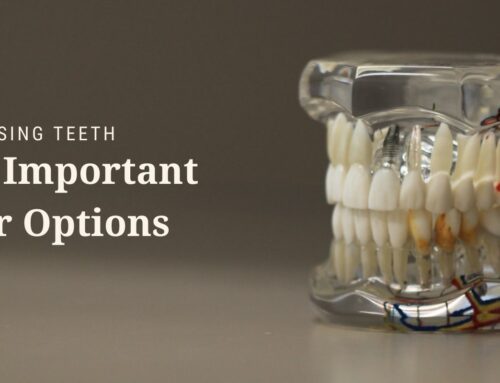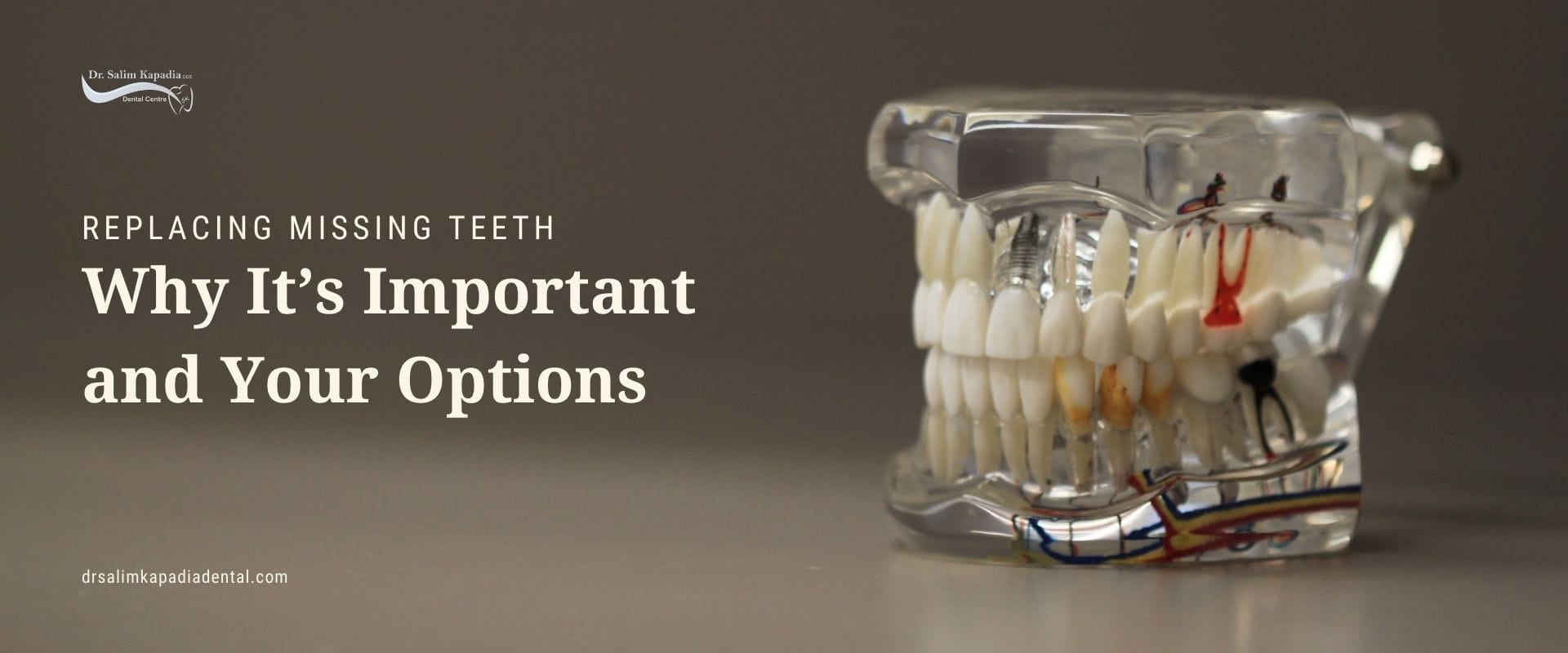

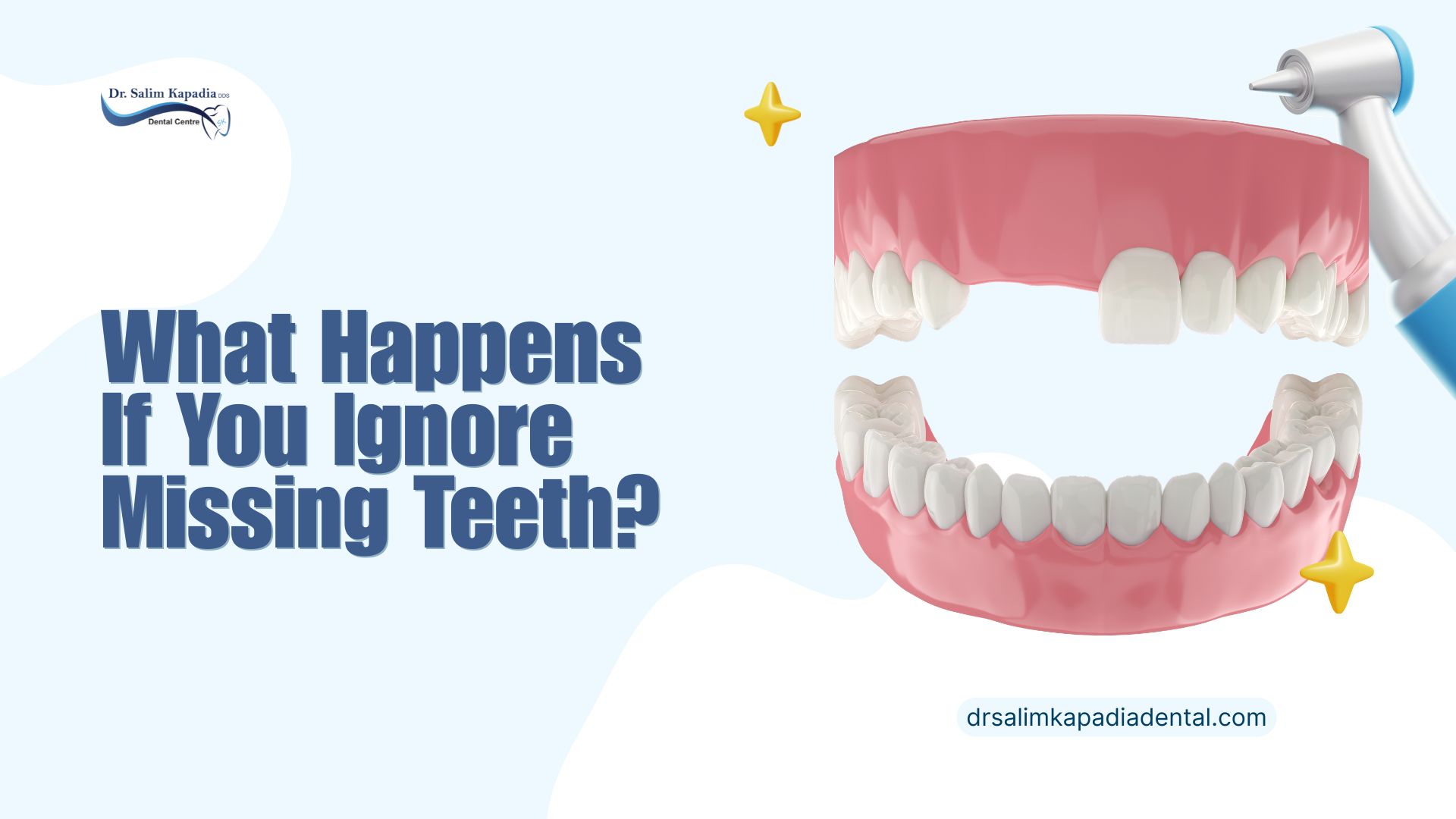
Losing a tooth can feel like a cosmetic issue, especially if the gap isn’t visible when you smile. Many people delay treatment because they’re not experiencing pain or because they can still chew relatively well.
However, a missing tooth can affect much more than your appearance.
Even a single missing tooth can lead to changes in your bite, jawbone, and overall oral health over time. Understanding these risks can help you make informed decisions about replacing missing teeth before more complex problems develop.
Your Other Teeth May Begin to Shift
Your teeth work together to maintain proper alignment and support.
When a tooth is lost, the surrounding teeth no longer have the same support structure. Over time, neighboring teeth may begin to drift into the empty space.
This movement can cause:
- Crowded or crooked teeth
- Changes in your bite
- Difficulty cleaning between teeth
- Increased risk of cavities and gum disease
- Uneven wear on teeth
What starts as one missing tooth can eventually affect the positioning of several others.
Bone Loss Can Occur in the Jaw
Your tooth roots play an important role in maintaining healthy jawbone tissue.
Every time you bite and chew, the tooth root stimulates the surrounding bone. When a tooth is missing, that stimulation disappears.
As a result, the jawbone in that area may begin to shrink over time. This process, known as bone resorption, can lead to:
- Loss of bone density
- Changes in facial appearance
- A sunken look around the mouth
- Reduced support for neighboring teeth
Bone loss can also make future tooth replacement more challenging if treatment is delayed for too long.
Chewing Can Become Less Efficient
Many people adapt to a missing tooth by chewing on the opposite side of their mouth.
While this may seem harmless, uneven chewing can place additional stress on certain teeth and jaw muscles.
Over time, this can contribute to:
- Excessive wear on remaining teeth
- Jaw discomfort
- Bite problems
- Difficulty eating certain foods
Maintaining a balanced bite helps distribute chewing forces more evenly throughout the mouth.
The Opposing Tooth May Move Out of Position
When a tooth is missing, the tooth directly above or below it may also be affected.
Without an opposing tooth to bite against, that tooth can begin to move out of its normal position. Dentists sometimes refer to this as “super-eruption.”
This can create additional complications, including:
- Bite interference
- Increased tooth sensitivity
- Difficulty replacing the missing tooth later
- Greater risk of damage to the affected tooth
Missing Teeth Can Affect Confidence
Beyond the physical effects, missing teeth can impact how people feel about their smile.
Some individuals become self-conscious when speaking, smiling, or eating around others. This can affect confidence in both personal and professional situations.
Fortunately, modern dentistry offers several effective options for restoring missing teeth and helping patients regain confidence in their smiles.
What Are the Options for Replacing a Missing Tooth?
The best solution depends on several factors, including the location of the missing tooth, your oral health, and your long-term goals.
Common tooth replacement options include:
A dental examination can help determine which option is most appropriate for your specific needs.
A missing tooth may not seem urgent, especially if it isn’t causing discomfort. However, the effects can extend beyond the visible gap and impact your oral health over time.
At Dr. Salim Kapadia Dental Centre in Scarborough, we help patients explore tooth replacement options that restore function, appearance, and long-term oral health. Whether you’ve recently lost a tooth or have been living with a gap for years, our team can assess your situation and recommend the most suitable treatment options.