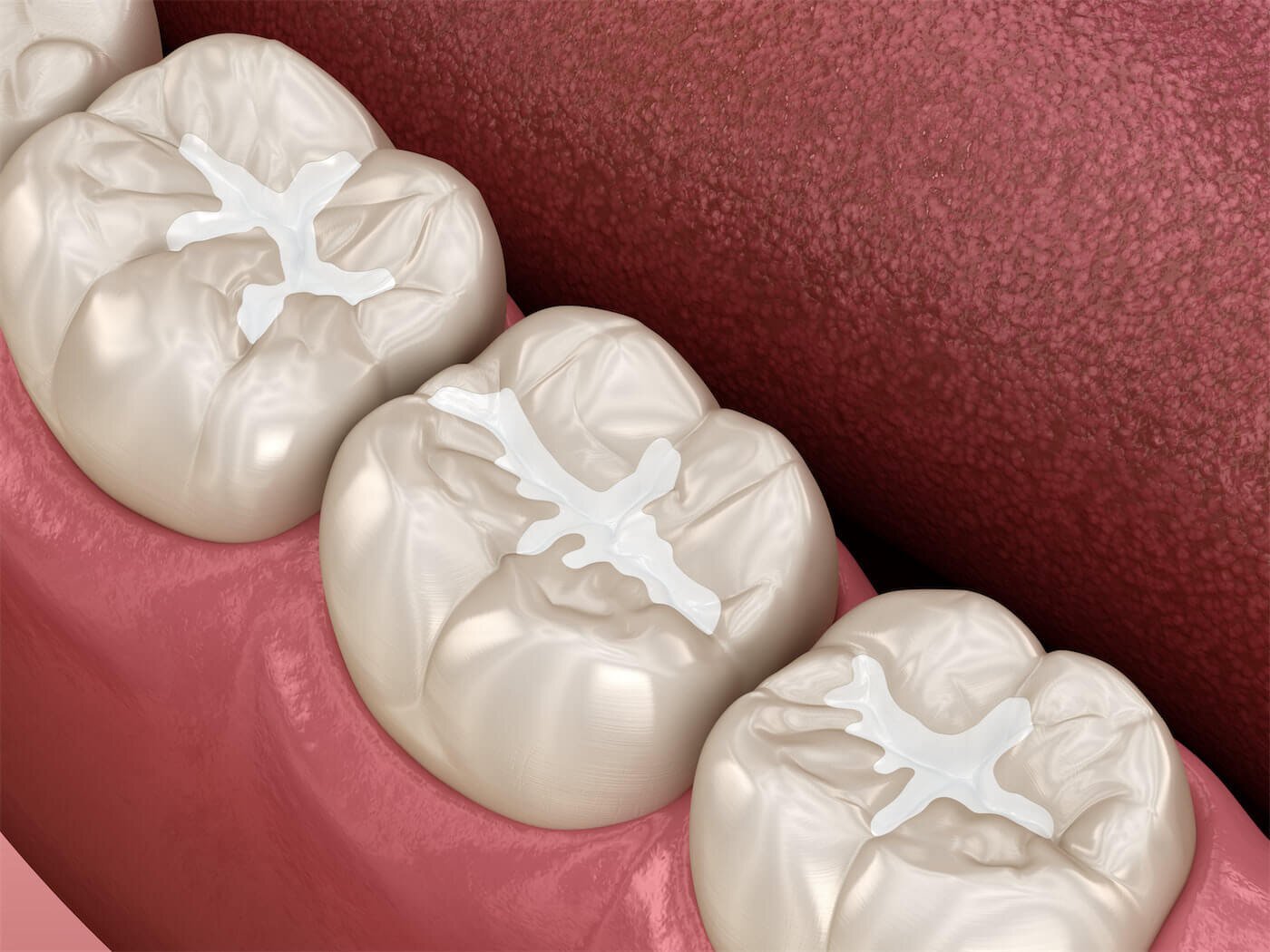


Many people are surprised when their dentist recommends replacing a filling that was placed years ago.
After all, if the filling is still there and the tooth isn’t hurting, why would it need to be replaced?
The truth is that dental fillings are durable, but they aren’t designed to last forever. Over time, normal wear and tear can affect both the filling and the tooth around it, potentially leading to new dental problems if left untreated.
What Causes a Filling to Fail?
Over time, fillings may develop small cracks, become worn, or separate slightly from the surrounding tooth structure. When this happens, bacteria can enter the area and begin causing decay underneath or around the filling.
A filling may also need replacement if the tooth itself becomes damaged.
Can a Filling Go Bad Without Causing Pain?
Yes.
One of the most common misconceptions is that a failing filling will always hurt. In reality, many problems are discovered during routine dental visits before any discomfort occurs.
A filling may have hidden decay underneath it, or a small crack may be present without affecting the tooth’s nerve. By the time pain develops, the problem is often more advanced and may require more extensive treatment.
Regular dental examinations and X-rays allow dentists to identify these concerns early, often before they become noticeable to the patient.
What Happens If an Old Filling Isn’t Replaced?
Ignoring a damaged filling can allow bacteria and decay to progress deeper into the tooth.
What begins as a small issue may eventually lead to a larger cavity, infection, or damage to the tooth’s nerve. In some situations, a simple filling replacement may no longer be sufficient, and treatment such as a dental crown or root canal may become necessary.
Replacing a failing filling early is often one of the simplest and most cost-effective ways to preserve a natural tooth.
How Can You Tell If a Filling Needs Attention?
Sometimes there are warning signs, but not always.
You may notice:
- Sensitivity to hot, cold, or sweet foods
- Pain when biting or chewing
- A rough or chipped area on the tooth
- Food frequently getting trapped around the filling
- Visible cracks or discoloration
However, many failing fillings are only detected during a professional dental examination.
Dr. Salim Kapadia Dental Centre, located on Markham Rd, Scarborough, carefully evaluates fillings during routine examinations to ensure they continue protecting your teeth effectively. If a filling has become worn, damaged, or affected by new decay, our team can recommend the most appropriate treatment to help preserve your oral health and prevent more extensive procedures in the future.