
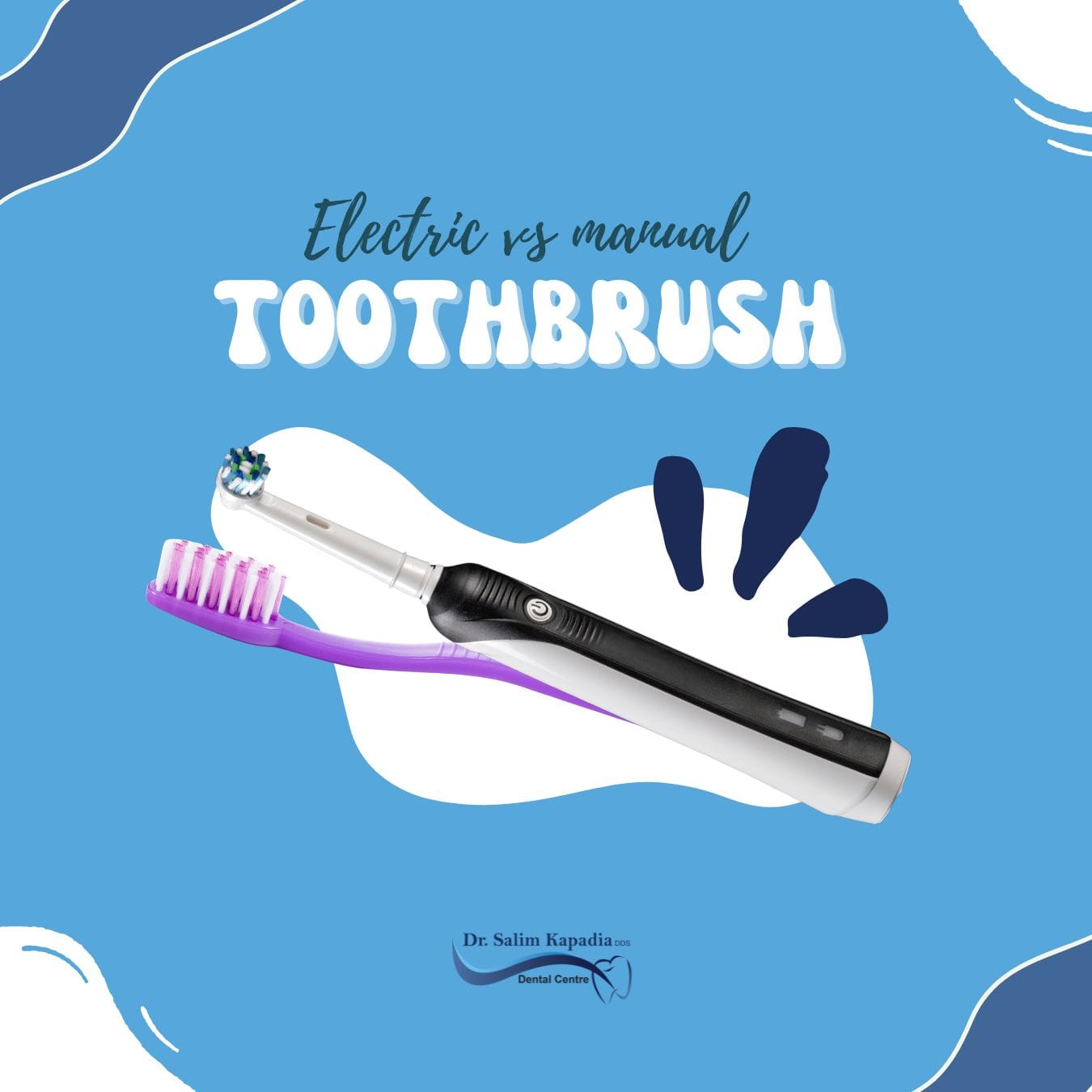
If you’ve ever wondered whether an electric toothbrush is worth the extra cost, you’re not alone. You can brush effectively with either a manual or electric toothbrush as long as you brush all surfaces of your teeth for two or three minutes. The key differences lie in how each brush works and how they fit into your lifestyle.
How electric brushes work
Electric toothbrushes use a small head that rotates, oscillates or vibrates thousands of times per minute. This rapid movement helps remove plaque and debris from your teeth and gums. There are two main types of technology: oscillating‑rotating brushes (where the head spins and rotates) and sonic brushes (which vibrate at high speed). Many models include timers to encourage brushing for the full two‑minute recommendation and pressure sensors that warn you if you’re brushing too hard.
Benefits of electric toothbrushes
- More reliable plaque removal: Studies show that electric toothbrushes generally do a better job of removing plaque and keeping teeth clean than manual brushes. A dental hygienist noted that patients often have less plaque and staining when using an electric brush.
- Built‑in features: Timers and pressure sensors help you brush for the right amount of time and avoid over‑scrubbing.
- Easier for limited dexterity: Because the brush head does most of the work, electric brushes are helpful for people with arthritis or mobility issues.
Drawbacks of electric toothbrushes
- Cost and maintenance: Electric models are more expensive and require replacement heads every three months. You also need a reliable power source for charging.
- Sensory discomfort: Some people dislike the vibration or noise.
- Risk of overbrushing: Brushing too hard can wear down enamel and irritate gums. Pressure sensors can help avoid this.
Manual toothbrushes: simple but effective
Manual brushes are inexpensive, widely available and don’t require charging or batteries. Many people feel more in control of the pressure they apply. It’s recommended to replace any toothbrush every three months and use soft bristles. A manual brush will clean your teeth just as well as an electric brush if you use the correct technique and brush for the recommended two minutes.
Choosing what’s right for you
Both types of brushes can keep your mouth healthy. Consider your budget, whether you travel often, and if you need help brushing for long enough. For children, people with braces or those with limited dexterity, the timer and consistent motion of an electric brush may be worth the investment. If you choose manual, focus on gentle circular motions and be thorough – your dentist or hygienist can show you proper technique. Regardless of which brush you use, be sure to brush twice a day, avoid rinsing immediately afterward and visit your dentist regularly.