
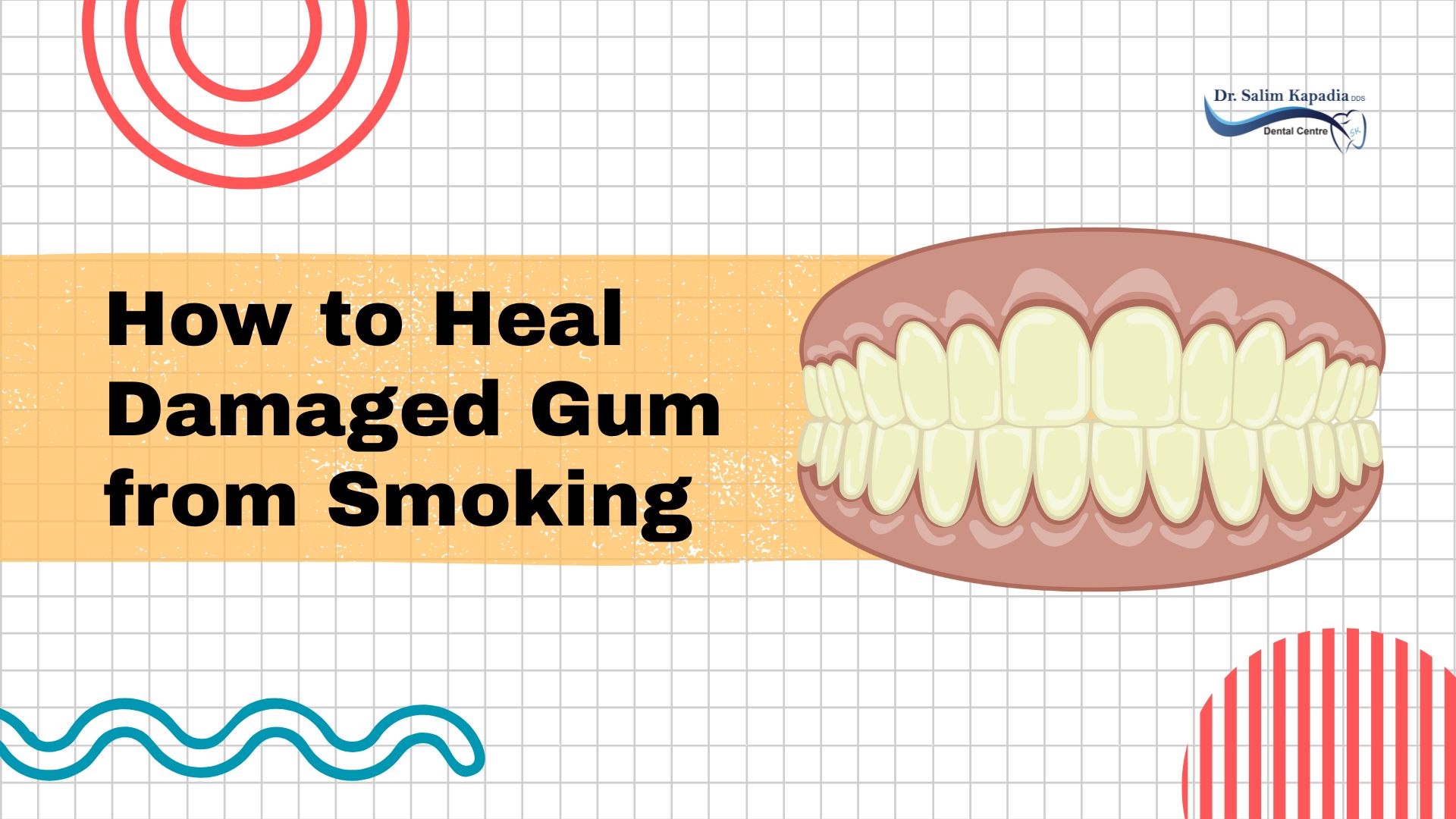
Smoking has a direct and well-documented effect on gum health. It reduces blood flow to the gums, interferes with the immune response, and masks early warning signs of gum disease such as bleeding. Over time, this can lead to gum recession, chronic inflammation, infection, and tooth loss. The good news is that while smoking-related gum damage cannot always be fully reversed, it can often be stabilized and improved with the right steps.
What Actually Helps Repair Smoking-Related Gum Damage
The most important factor in gum healing is restoring proper blood flow and reducing ongoing irritation. Quitting smoking or significantly reducing it is the single most effective step. Once smoking stops, the gums begin to receive better oxygen and nutrients, allowing natural healing processes to resume.
Professional dental care plays a central role. A thorough exam and deep cleaning can remove plaque and hardened buildup below the gumline, where smoking-related damage often begins. Treating gum inflammation early helps prevent further recession and bone loss around the teeth.
Consistent daily oral hygiene is essential. Gentle but thorough brushing, daily flossing, and antibacterial rinses help control bacteria that thrive in smokers’ mouths. Aggressive brushing should be avoided, as it can worsen recession.
Nutrition and hydration also matter. Adequate intake of vitamin C, along with staying well hydrated, supports gum tissue repair. Dry mouth, which is common in smokers, can worsen gum problems by allowing bacteria to multiply more easily.
When Gum Damage Needs Professional Treatment
Smoking-related gum damage often progresses quietly. Because smoking reduces bleeding, symptoms may not be obvious until the condition is advanced. A dental evaluation is especially important if you notice:
- Gum recession or teeth appearing longer
- Persistent bad breath or bad taste
- Tenderness or swelling in the gums
- Loose teeth or changes in bite
- Pus, pain, or infection around the gums
Depending on severity, treatment may include deep periodontal therapy, ongoing maintenance cleanings, or referral for advanced gum treatment. Early intervention can slow or stop progression and help preserve your natural teeth.
Healing gums after smoking is a gradual process, but improvement is possible with consistent care and professional support. Addressing the damage sooner rather than later reduces the risk of permanent tooth and bone loss.
If smoking has affected your gums or you are noticing signs of gum recession or inflammation, a dental assessment can help determine the extent of the damage and next steps. Contact Dr. Salim Kapadia Dental Centre to book an appointment. Call (416) 321-3268 or schedule online at https://drsalimkapadiadental.com/online-appointments/