

Wisdom teeth typically emerge between ages 17 and 25. That’s why dentists often recommend removal during the late teens or early twenties. But not everyone experiences problems that young. Some people keep their wisdom teeth into their thirties or beyond without issues; until pain, infection, or damage to neighboring teeth makes extraction necessary.
Removing wisdom teeth as an adult is just as safe and effective as removing them when one is younger. However, the recovery is quite tough compared to those who have their wisdom teeth removed at a younger age. Here is why.
Why Age Makes Recovery Tougher
Your jaw is fully developed and bone density is at its peak by your early twenties. Wisdom teeth in teenagers often have shorter, less formed roots, and the surrounding bone is more flexible. This makes extraction simpler and healing faster.
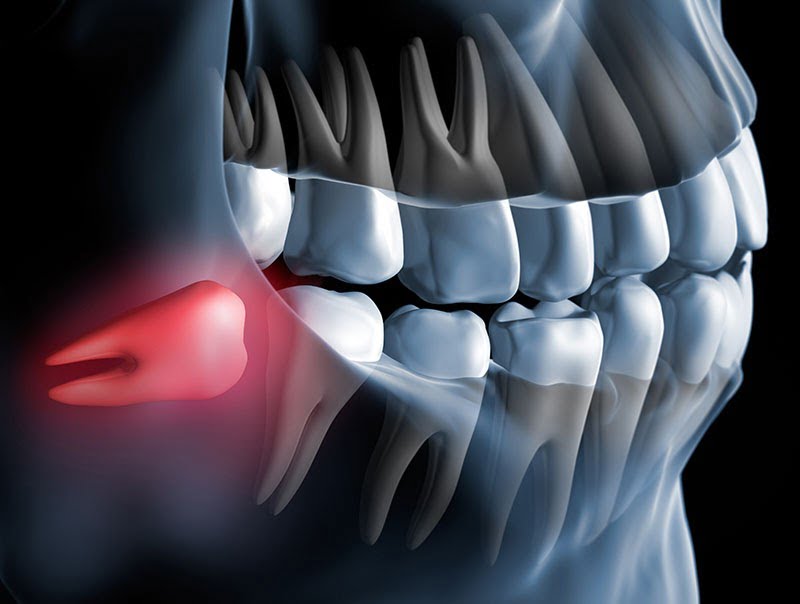
After age 30, several factors work against quick recovery. Bone density naturally decreases, making the jawbone denser and less forgiving during surgery. Wisdom teeth roots continue to grow and may become longer, curved, or fused to the surrounding bone. In some cases, roots grow close to the inferior alveolar nerve, which runs through the lower jaw. Removing teeth in this situation requires more careful surgical technique.
Healing capacity also slows with age. Younger bodies produce new bone and soft tissue more rapidly. Older adults may experience slower wound closure, prolonged swelling, and extended discomfort. A nationwide study of over 16,000 wisdom tooth extractions found that while most complications resolve within one to two weeks, older patients reported longer recovery timelines and higher rates of post-operative issues.
The most common complication is dry socket (alveolar osteitis), which occurs when the blood clot at the extraction site dislodges, leaving bone and nerves exposed. This causes dull, throbbing pain that can radiate to the ear. Other potential issues include infection, prolonged jaw joint symptoms, and limited jaw opening. While these can happen at any age, studies show they occur more frequently and last longer in patients over 30.
When Removal Becomes Necessary
Not everyone needs their wisdom teeth removed. If there’s enough space for them to fit comfortably and they’re cleanable during regular brushing and flossing, your dentist may recommend leaving them alone.
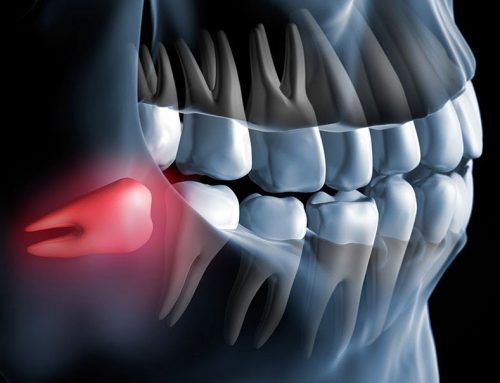
However, wisdom teeth can cause problems later in life even if they were trouble-free for years. Their location at the very back of the mouth makes proper cleaning difficult, increasing the risk of decay and gum infections over time. An impacted wisdom tooth, one trapped under the gums, is even more vulnerable. Research shows that as people age, they face greater risk for bone loss around adjacent molars when wisdom teeth are present.
Your dentist may recommend extraction if you experience persistent pain around the back of your mouth, jaw stiffness, swollen or bleeding gums, or signs of infection like tenderness, redness, and bad breath. Other indications include damage to surrounding teeth, gum disease, or cyst formation.
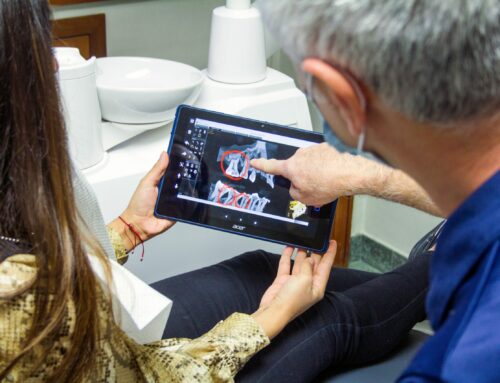
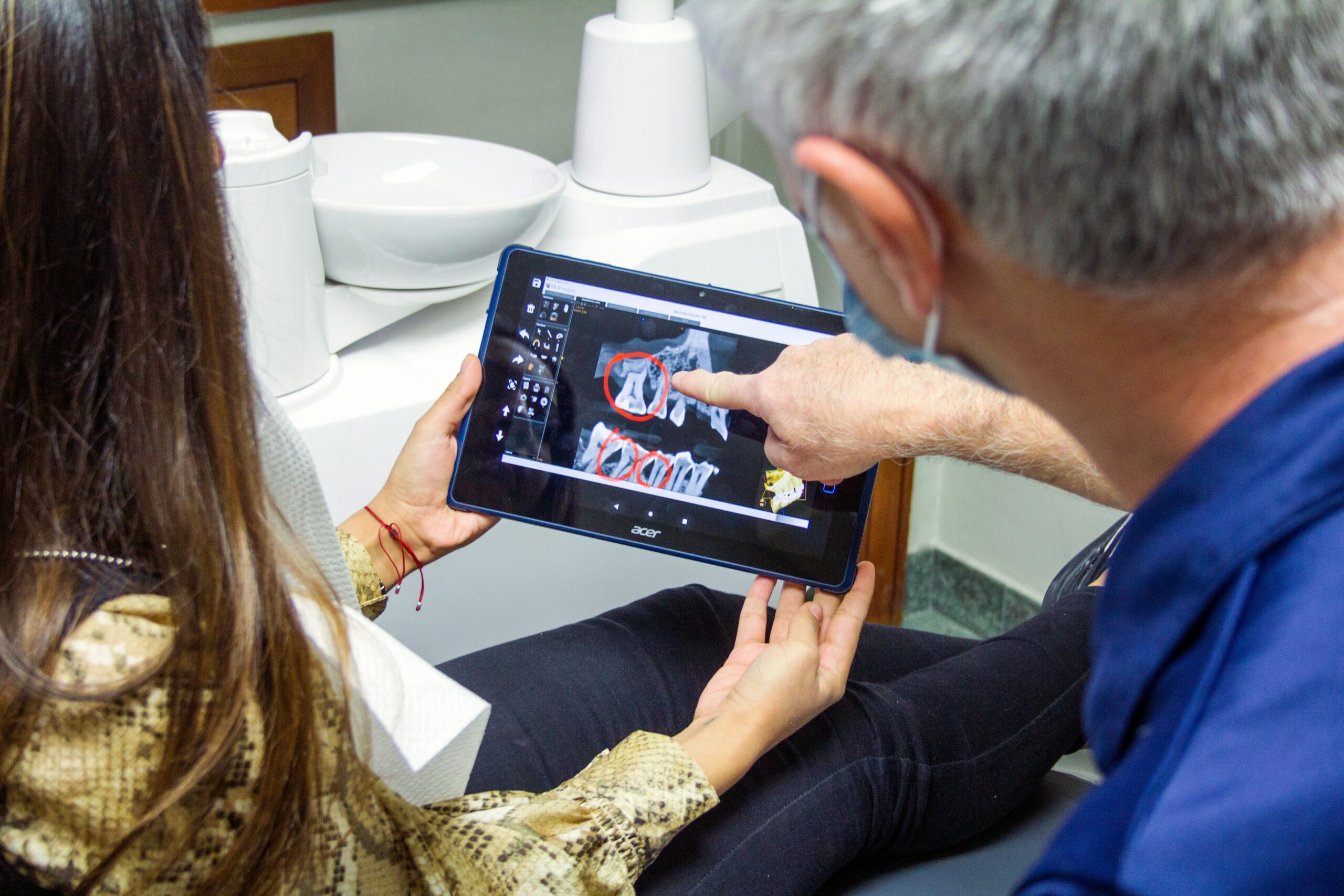
Before making any decisions, your dentist will examine your mouth and take X-rays to assess the position of your wisdom teeth, root development, and proximity to nerves. This helps determine the complexity of extraction and allows your dentist to explain specific risks for your situation.
Tips for Smoother Recovery
Keep your dentist fully informed about your health, including medical conditions and medications. Blood thinners can affect bleeding. Diabetes can slow healing. This information helps your dentist personalize your treatment plan.
Follow all pre-operative instructions carefully. Stock up on soft foods before surgery – yogurt, applesauce, smoothies, mashed potatoes, and soup. Avoid using straws for at least a week after surgery, as suction can dislodge blood clots and lead to dry socket.
After surgery, expect more significant swelling and discomfort compared to younger patients. Apply ice packs for the first 24 hours. Take pain medications as directed, staying ahead of the pain. Rest with your head elevated.
After 24 hours, gently rinse with warm salt water several times a day, especially after eating. This keeps surgical sites clean and promotes healing. Most adults return to normal activities within a week, though complete bone healing takes several months.
Wisdom tooth extraction in your thirties or beyond requires careful planning and experienced care. Dr. Salim Kapadia Dental Centre provides comprehensive evaluations, clear treatment explanations, and personalized recovery guidance to help adult patients navigate wisdom tooth removal with confidence. Serving the Greater Toronto Area for over 16 years, we focus on minimizing discomfort and ensuring smooth healing.
Schedule your consultation today. Call (416) 321-3268 or book online at https://drsalimkapadiadental.com/online-appointments/