

Many people assume that if a tooth doesn’t hurt, it must be healthy. Unfortunately, that’s not always true.
One of the most common surprises during a routine dental exam is discovering a cavity in a tooth that feels completely normal. Patients are often shocked to hear they need treatment when they’ve experienced no pain, sensitivity, or visible signs of a problem.
The truth is that cavities can develop silently for months or even years before symptoms appear.
Why Cavities Don’t Always Cause Pain
A cavity begins when bacteria in your mouth produce acids that gradually dissolve tooth enamel.
In the early stages, the damage is limited to the outer enamel layer. Since enamel contains no nerves, you won’t feel anything as the cavity forms and grows.
Pain typically doesn’t occur until the decay reaches deeper layers of the tooth, where nerves and blood vessels are located. By that point, the cavity is usually much larger and may require more extensive treatment.
Signs You Might Have a Cavity Without Knowing It
Many cavities are found during routine dental checkups before any symptoms develop. However, some subtle warning signs may include:
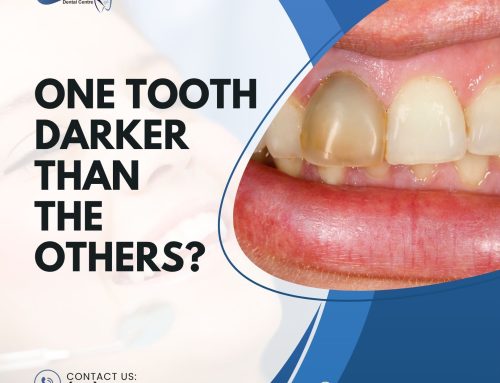
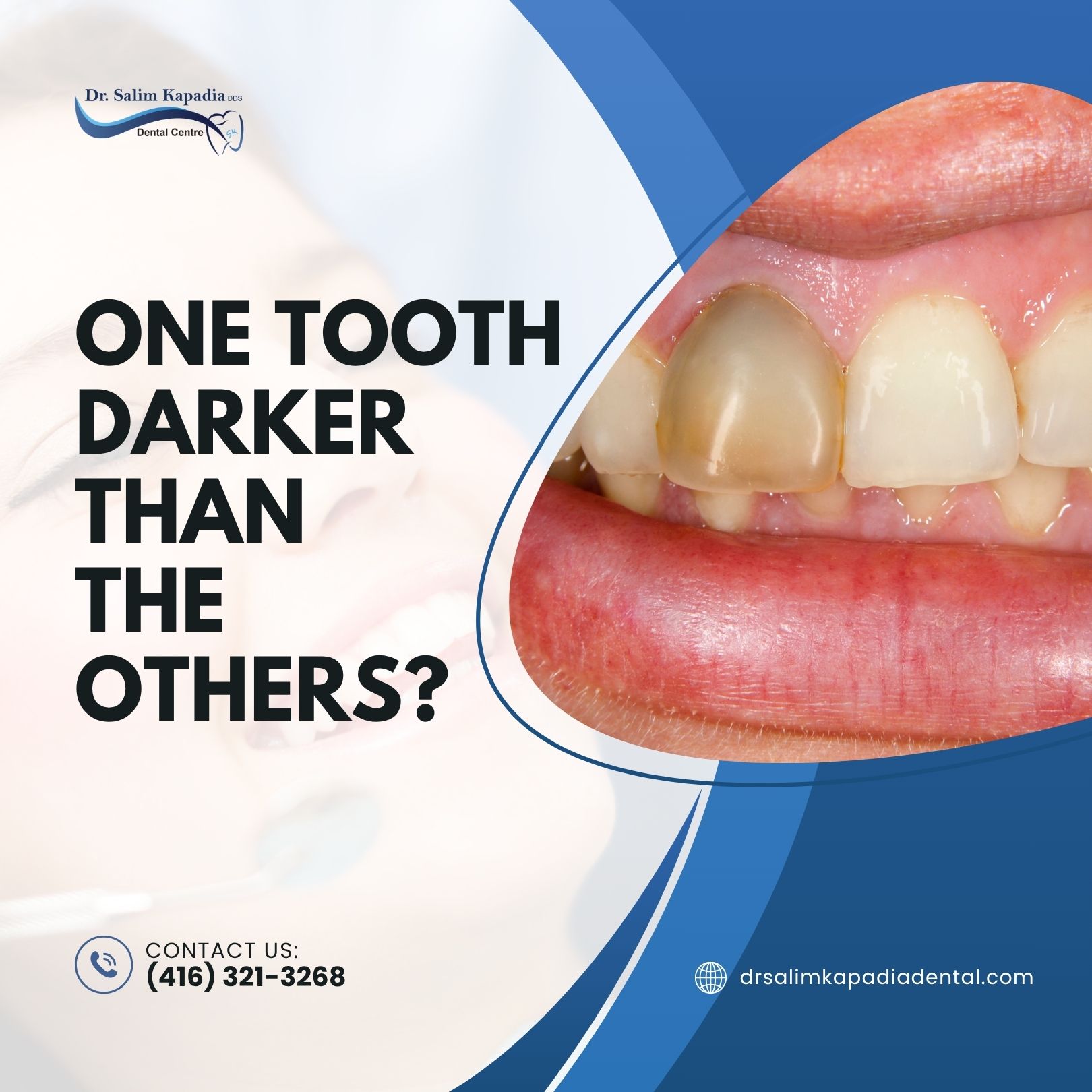
- White, brown, or dark spots on a tooth
- Food frequently getting stuck between teeth
- Mild sensitivity to sweets
- Rough areas on the tooth surface
- Bad breath that doesn’t improve with brushing
- Floss catching or tearing in a specific area
Even if none of these signs are present, a cavity can still exist.
Why Regular Dental Exams Matter
Dental X-rays and professional examinations allow dentists to detect cavities long before they become painful.
Early detection offers several benefits:
- Smaller and simpler fillings
- Lower treatment costs
- Preservation of more natural tooth structure
- Reduced risk of root canal treatment
- Prevention of infections and abscesses
Many patients who only visit the dentist when something hurts miss the opportunity to treat problems while they’re still small and manageable.
What Happens If You Ignore a Cavity?
A cavity won’t heal on its own.
As decay progresses, it continues moving deeper into the tooth. What starts as a small cavity can eventually lead to:
- Severe tooth pain
- Infection
- Dental abscess
- Root canal treatment
- Dental crown placement
- Tooth extraction in severe cases
The longer treatment is delayed, the more complicated and costly the solution can become.
If your teeth feel fine, that doesn’t necessarily mean they’re cavity-free. Many cavities develop quietly without causing any discomfort until significant damage has already occurred.
Dr. Salim Kapadia Dental Centre in Scarborough uses modern diagnostic technology and comprehensive examinations to detect cavities in their earliest stages. Early treatment helps preserve your natural teeth, prevent unnecessary discomfort, and avoid more extensive procedures in the future.
If it’s been a while since your last dental checkup, schedule an appointment with our team today. A simple examination can help identify hidden cavities before they become bigger problems.