
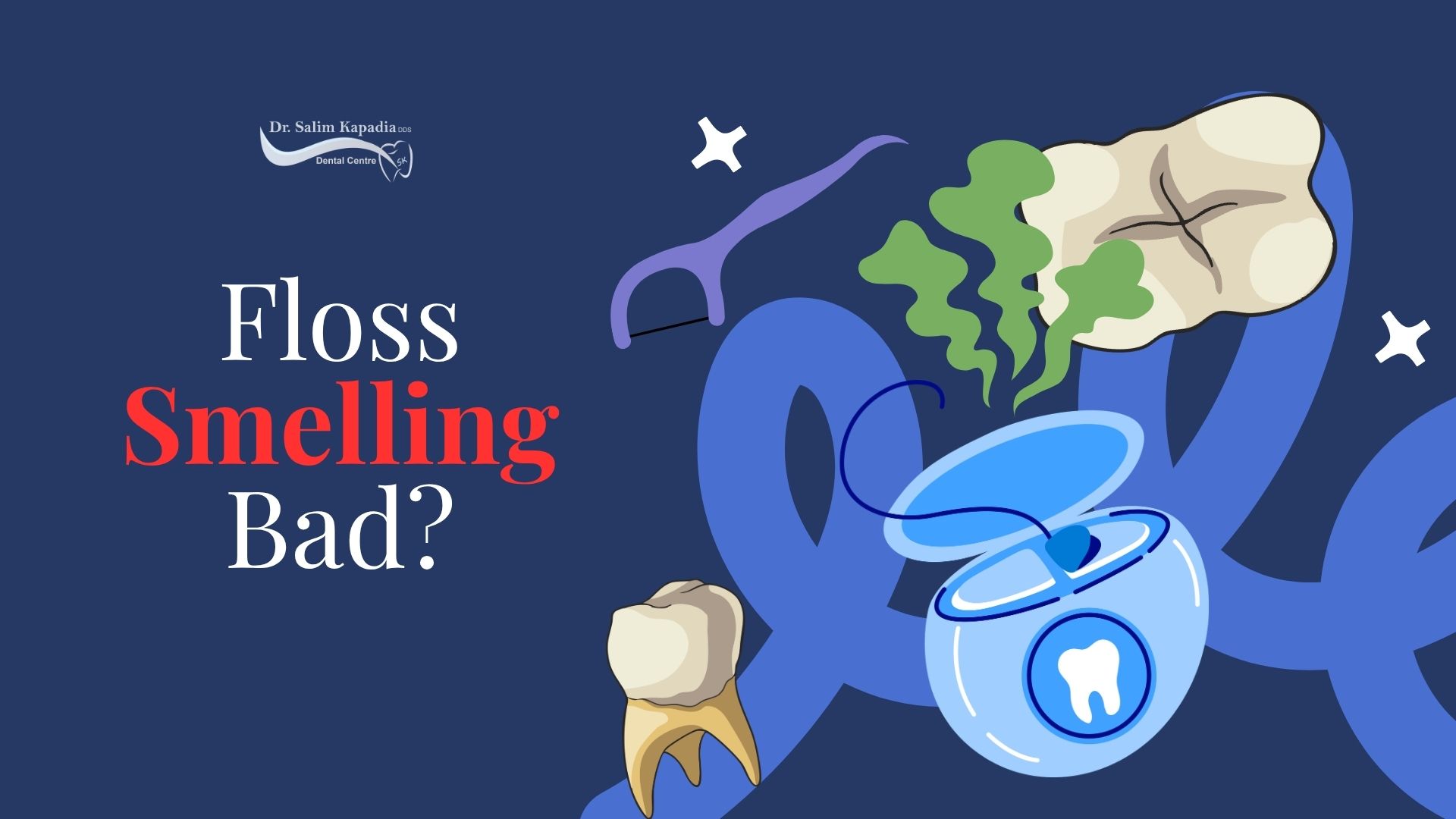
If your dental floss smells bad after you use it, the smell is usually coming from bacteria, plaque, or trapped food between your teeth.
An occasional smell is common. But if it keeps happening, especially in the same spot, it may point to a dental problem that needs attention.
Why Does Floss Smell Bad Between My Teeth?
Food and plaque can collect in places your toothbrush cannot reach well.
Bacteria then break down that material and release unpleasant-smelling compounds. Floss picks them up when it passes between your teeth.
This is often more noticeable if you have not flossed regularly.
Why Does It Smell Bad Between Only Two Teeth?
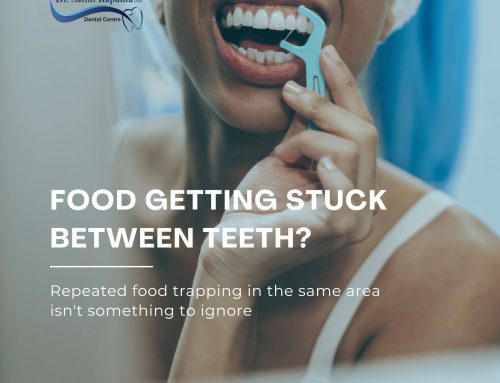
If the smell keeps coming from the same space, that area may be trapping more bacteria than usual.
Possible causes include:
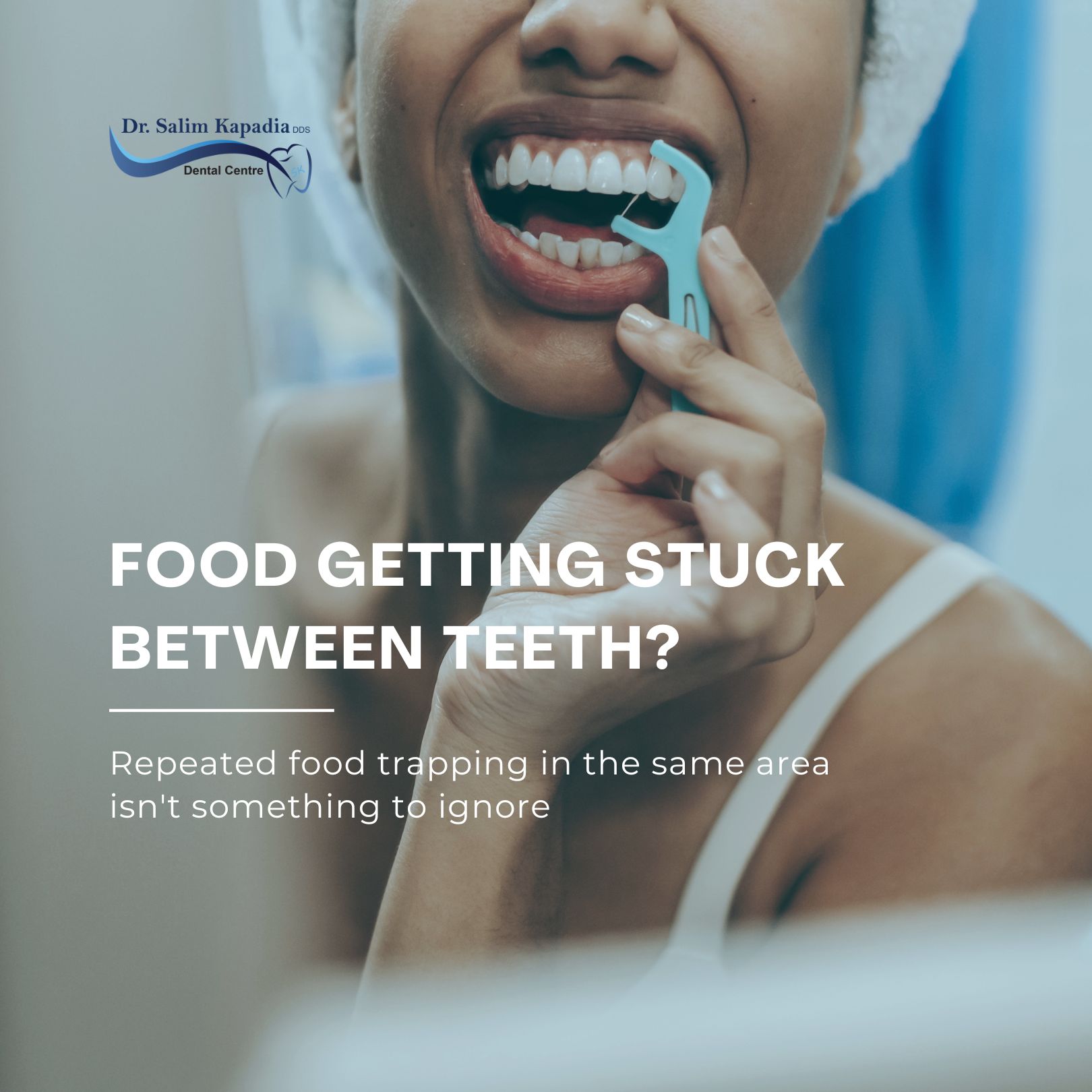
- Food getting stuck repeatedly
- Gum inflammation
- A cavity between the teeth
- A deep gum pocket
- A filling or crown that traps food
These problems are not always visible in the mirror.
What If My Gums Bleed Too?
Bad-smelling floss with bleeding gums can be a sign of irritated or inflamed gums.
Mild bleeding may happen when you first start flossing regularly. It should gradually improve.
If the bleeding continues, becomes heavier, or comes with swelling or tenderness, the area should be checked.
Can Smelly Floss Mean I Have a Cavity?
Sometimes.
A cavity between two teeth can trap food and bacteria. You may also notice floss catching, shredding, or feeling rough in the same area.
Because cavities between teeth may not be visible, a dentist may need to examine the area or take an X-ray.
Can Better Flossing Fix the Problem?
If the smell is caused by trapped food or plaque, regular flossing may help.
Guide the floss gently along the side of each tooth instead of only moving it straight up and down through the gap.
Brushing twice a day and keeping up with professional cleanings also helps prevent buildup.
If one area of your mouth keeps causing bad-smelling floss, Dr. Salim Kapadia Dental Centre in Scarborough can check for gum problems, trapped food, cavities, or issues with an existing filling or crown.
Book an appointment online or call (416) 321-3268.